














Summary
The AI experimentation era is over. Leadership wants results, and AI councils require proof of impact. This playbook shows RevOps and GTM leaders the three things an AI-ready foundation requires: reliable data, business process truth, and crisp customer context. It explains why each one matters, what breaks without it, and how to put it in place.
Key Findings
- AI scales whatever you feed it. 95% of enterprise GenAI pilots delivered no measurable P&L impact within six months, largely due to gaps in data, workflows, and ownership (MIT Project NANDA).
- Bad data kills AI projects. Through 2026, organizations will abandon 60% of AI projects that aren’t supported by AI-ready data (Gartner).
- Rules can’t live in people’s heads. When routing logic and exceptions stay tribal, agents route wrong, miss exceptions, and engage inconsistently.
- Context keeps AI on your team. When Marketing, Sales, and CS each see a different part of the story, agents miss churn risk and send misaligned outreach.
More AI Activity. Not More Business Value.
GTM teams moved fast on AI: copilots, research agents, AI SDRs, new scoring models. Many of those efforts stalled. Fragmented pilots acted on inaccurate data, unwritten rules, and conflicting views of the customer.
The problem isn’t AI. It’s the foundation underneath it. That’s why 94% of GTM leaders say their infrastructure isn’t fully ready for AI, and only 21% of organizations report mature governance for agentic AI.
Pillar 1: Data Foundation Gives AI Something It Can Trust
Agents need clean, connected, current data to find the right people and accounts and act on the right signals. Without it, AI multiplies duplicates, misroutes opportunities, and sends the same buyer three messages. Data quality decides whether AI boosts productivity or just speeds up bad decisions.
Pillar 2: Business Process Truth Gives AI Rules It Can Follow
Like a new hire, an agent needs to know who to act on, what rules to follow, and when to hand off. Codified business logic pairs probabilistic AI with deterministic execution, so you can move at full speed and trace exactly why an agent made a decision.
Pillar 3: Shared Customer Context Gives AI the Full Picture
Champions leave. Buying groups change. Customers hit rough patches mid-implementation. When every team and agent works from one shared view of the account, AI knows when to push, when to wait, and when to hand off.
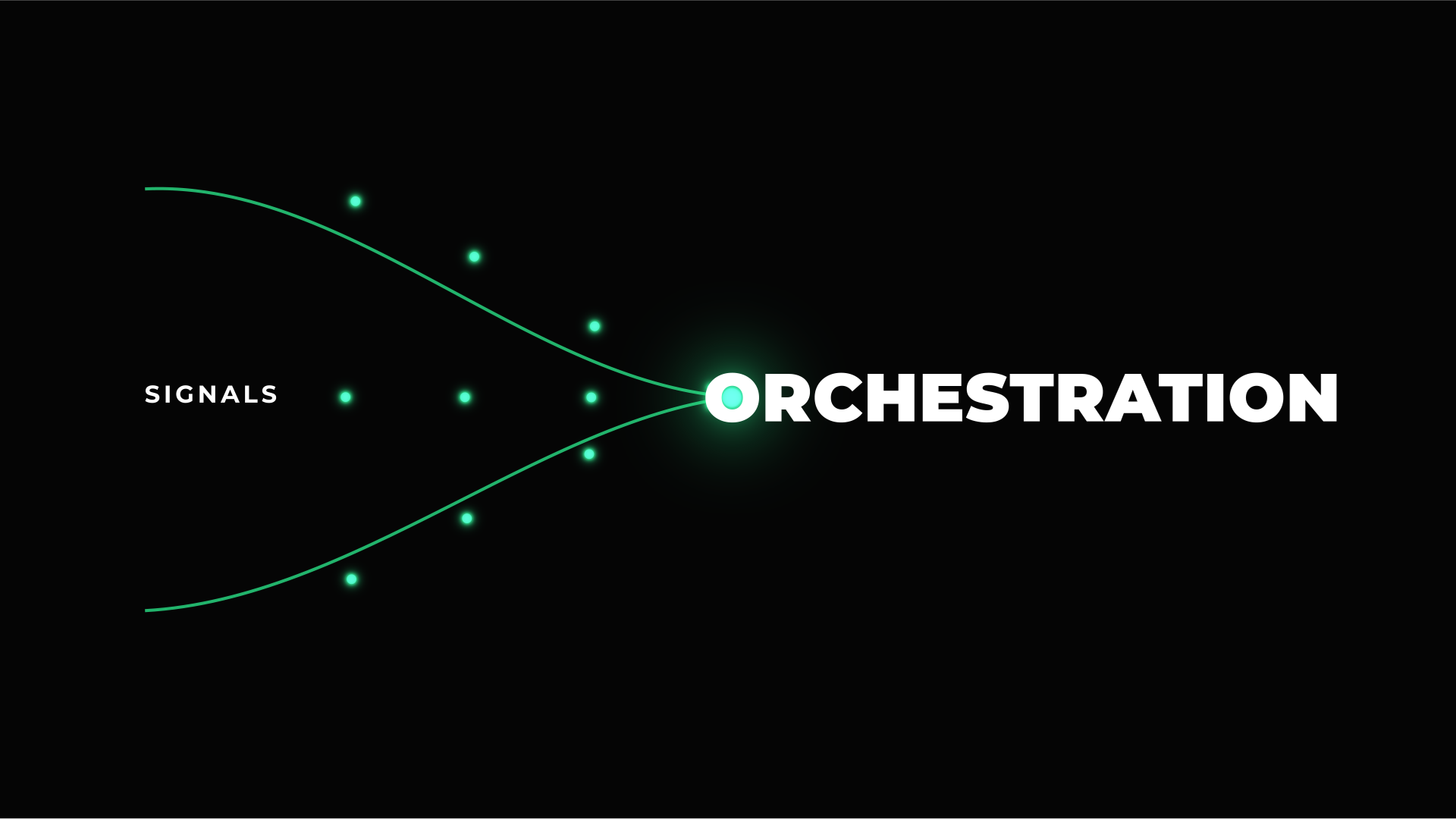
Data tells AI what to work on. Process tells it what to do. Context tells it what else to consider. Leave one out, and you’re just automating the mess faster.
Where Do You Stand?
The playbook includes a quick AI-readiness check across all three pillars. A few questions to start:
- Do your AI systems work from the same trusted, up-to-date data?
- Can you explain why an automated action happened?
- Do your AI tools know what other teams and systems are doing with customers?