













The Gap Between AI-Generated Code and AI GTM Orchestration
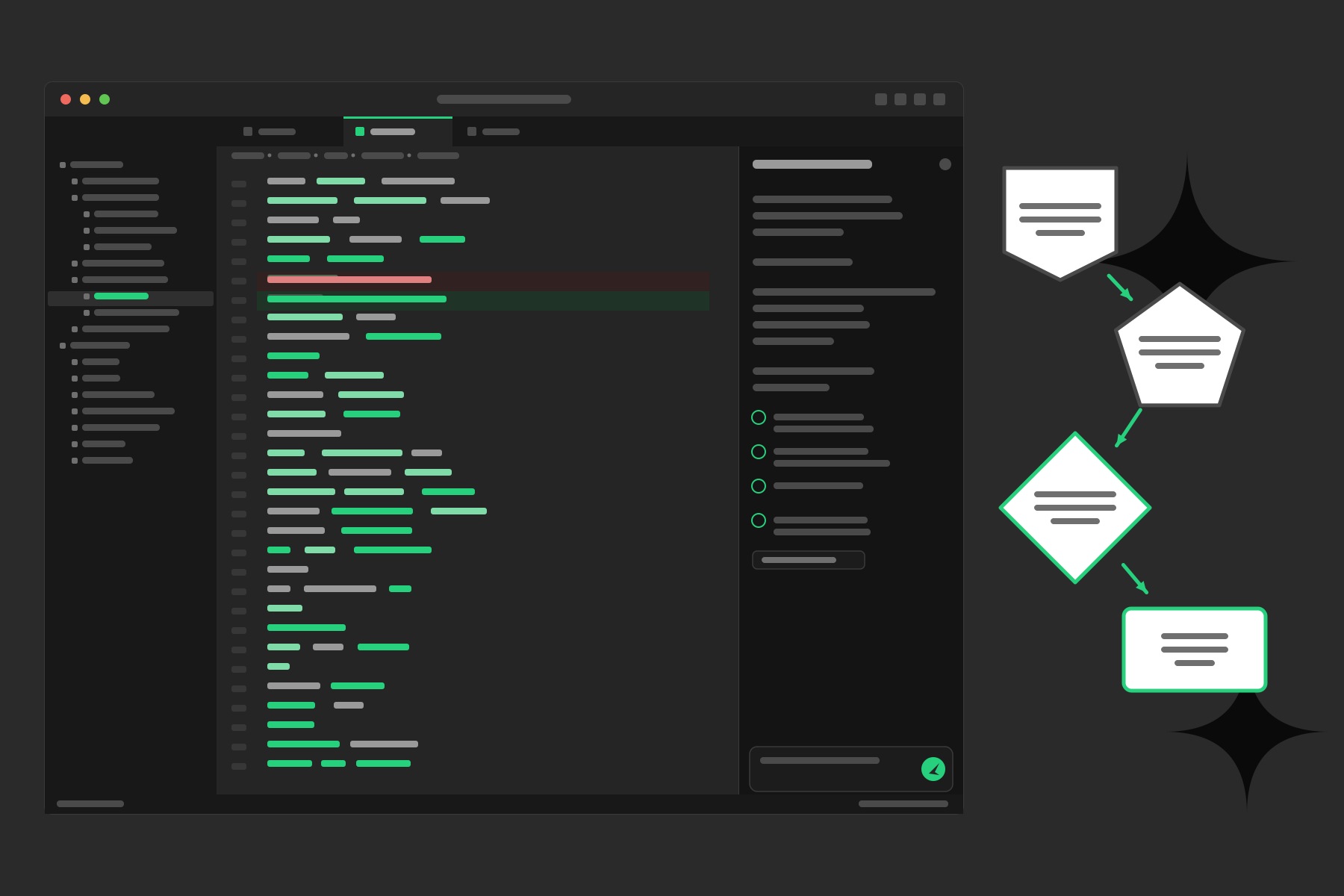
AI coding tools can write a lead routing trigger in an afternoon, but AI go-to-market (GTM) orchestration is a different discipline entirely. This solution brief explains what AI-generated code can handle for Salesforce routing and scheduling, and where it runs into trouble as GTM complexity grows.
It covers cross object routing, real time matching, audit trails, and the maintenance work that shows up months after launch. B2B revenue operations, sales operations, and IT leaders weighing a build versus buy decision will gain a direct understanding of the tradeoffs.
Key Takeaways
- AI coding tools can generate a basic routing trigger in an afternoon, but production grade AI GTM orchestration takes far more than a script that works on day one.
- Routing logic that spans leads, contacts, accounts, and opportunities depends on relationships between objects, and a single generated flow can’t govern that complexity.
- Every routing decision in an AI GTM motion needs a traceable audit trail, since compliance and ops trust depend on knowing who, when, why, and what rule fired.
- Sixty percent of total software cost occurs during the maintenance phase, so the real cost of a hand built routing system shows up long after launch, not on day one.
- The world’s leading AI companies still run their own AI GTM on a purpose built orchestration platform rather than homegrown code, because deterministic routing at scale requires more than what generated code can provide.
The Real Cost of Building Routing Yourself
WHAT TO CONSIDER
Time to production
Handles routing rule changes
Cross-object orchestration
Lead-to-account matching
SLA enforcement & escalation
Full audit trail
Ongoing maintenance burden
Scales with GTM complexity
VIBE CODED SOLUTION
Weeks to months
Requires a developer
Manual wiring, fragile
Basic domain match only
Must be custom built
DIY logging, (if at all)
High (you own all the code)
Breaks as rules multiply
LEANDATA
Hours to days
Self-service (visual builder)
Native, multi-object
Fuzzy, hierarchical, deduped
Built-in, configurable
Automatic, every decision
Managed by LeanData
Purpose-built for complexity
“Switching to LeanData from our legacy custom solution has given us much more control over how we manage our sales leads, resulting in increased agility, lower costs and the ability to pinpoint what’s going on with our lead management processes. Intercom’s experience underscores that when it comes to ‘build versus buy,’ why would you not want to buy a packaged solution built around the problem you are trying to solve?”Thomas Sunderland
See What Your Vibe-Coded Routing Missed
FAQ
Can AI coding tools like Cursor or GitHub Copilot replace a go-to-market orchestration platform like LeanData?
They can generate simple routing triggers and single criteria flows, but they can’t handle cross object logic, real time fuzzy matching, or the audit trail that enterprise revenue teams need. Most teams end up owning a system that requires a developer every time a rule changes.
What can AI generate for GTM workflows, and what does it still get wrong?
AI can write basic Apex classes, round robin assignment logic, and exact match lead to account routing. It generally struggles with fuzzy hierarchy matching, buying group detection, and multi object dependencies that shift as your data and rules change.
Is it worth using AI to generate Salesforce routing logic instead of buying a tool?
For a single simple rule, generated code might hold up. For routing that spans leads, accounts, and opportunities with rules that change often, a purpose built platform reduces the long term maintenance burden and gets you to production faster. Teams that have built routing in house often find that even small changes compete for IT priority and require developer resources every time.
Tags
AI GTM
Digital Transformation
Intelligent Go-to-Market Orchestration
Lead Management
Lead Routing
Lead-to-Account Matching