













Summary
Winning a customer is only the beginning. This resource explores how Intelligent GTM Orchestration helps enterprise teams manage onboarding, support, renewals, and expansion after the sale. Learn post sales operations best practices including customer journey orchestration, and how to turn signals into reliable execution.
What You’ll Learn
- Why small operational gaps create outsized post sales risk
- How signal based orchestration improves onboarding and support
- What structured workflows reveal about renewal and expansion health
- How global teams manage SLAs across regions and roles
- Why adaptability matters in modern post sales operations
When Post Sales Execution Shapes the Customer Experience
Customer experience is rarely lost in one moment. It breaks down through small operational failures that compound over time, stalled onboarding tasks, misrouted cases, missed renewal signals, and handoffs that never quite complete. In complex B2B environments, these issues often stem from fragmented data, brittle workflows, and processes that cannot keep pace with global teams.
Fifty percent of consumers say they would switch to a competitor after one bad experience, and 23.5 percent of loyal customers leave due to poor service. These outcomes are not driven by effort, but by systems that struggle to translate signals into timely action.
Where Post Sales Operations Break Down
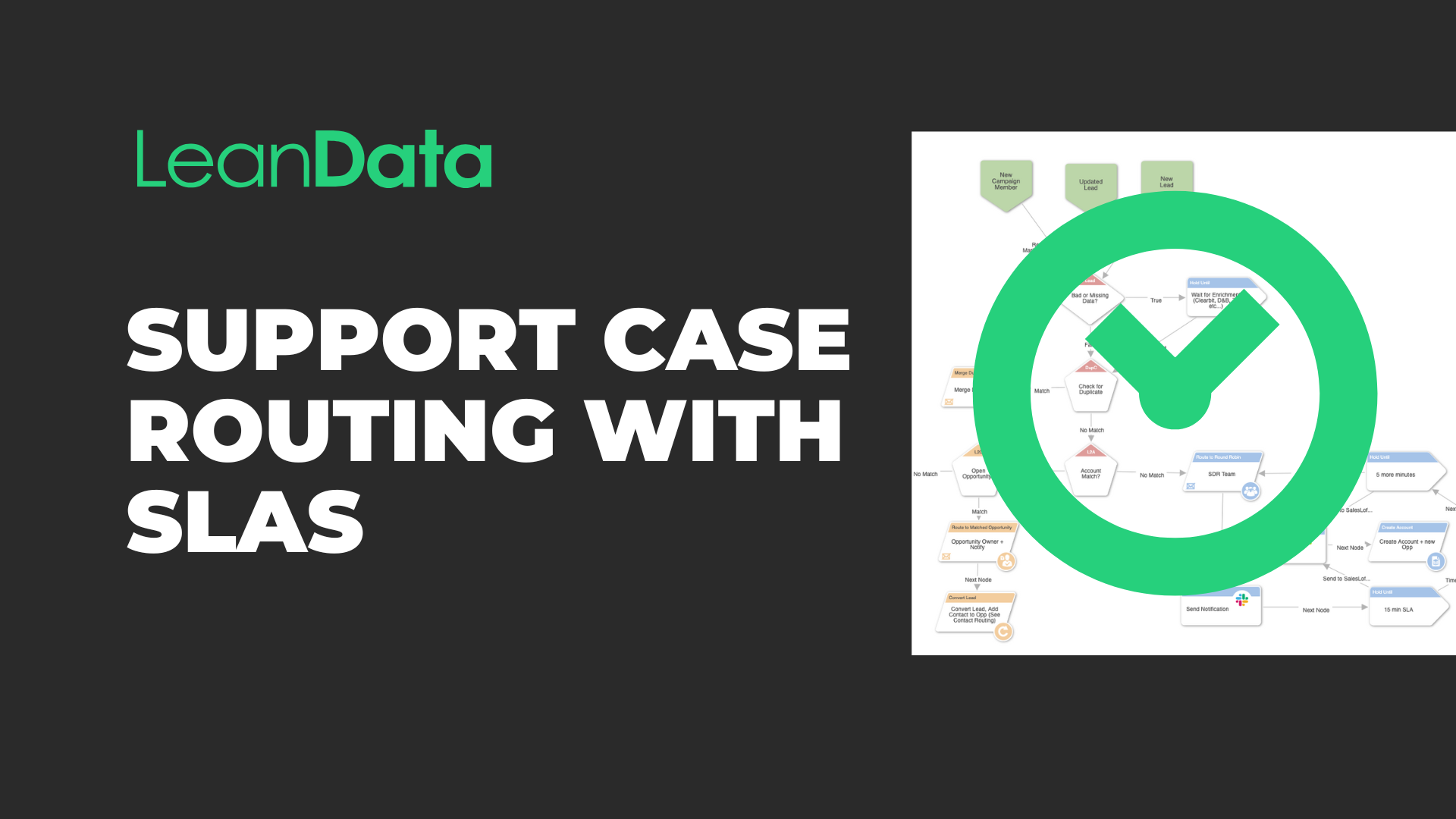
Post sales work depends on hundreds of decisions across onboarding, support, renewals, and expansion. When routing logic is scattered, SLAs lack visibility, or ownership changes disrupt automation, teams rely on manual judgment instead of structure. Global coverage adds another layer of complexity when time zones, workloads, and availability are not accounted for consistently.
What Intelligent Post Sales Orchestration Enables
Intelligent GTM orchestration connects customer signals, workflows, and teams into a single operating model. Clean and connected data provides context. Real time routing and SLA tracking ensure follow through. AI visibility highlights risk early, while no code workflows allow teams to adapt without rebuilding their CRM. Together, these capabilities create predictable execution across the entire post sales journey.