













Summary
Integrated scheduling connects lead routing and meeting booking into one continuous workflow. When scheduling lives inside orchestration, teams reduce delays, improve visibility, and move buyers forward faster.
Integrated Scheduling Starts Where Routing Ends
The lead was routed correctly, yet the meeting never happened.
It’s a familiar moment for many operations leaders. A form fill comes in, routing logic works as expected, and the right rep receives the lead.
Then momentum fades.
The buyer waits.
The rep gets busy.
Days pass before a meeting appears on the calendar, if it appears at all.
Integrated scheduling exists to close this gap.
In enterprise B2B environments, routing is only one step in a longer execution chain. Scheduling determines whether interest turns into conversation or stalls quietly in a queue. As a result, teams that treat scheduling as a separate tool often lose speed, visibility, and control.
This article explores why integrated scheduling matters, how it fits into modern GTM orchestration, and what it looks like in practice through examples from LeanData customer ChowNow.
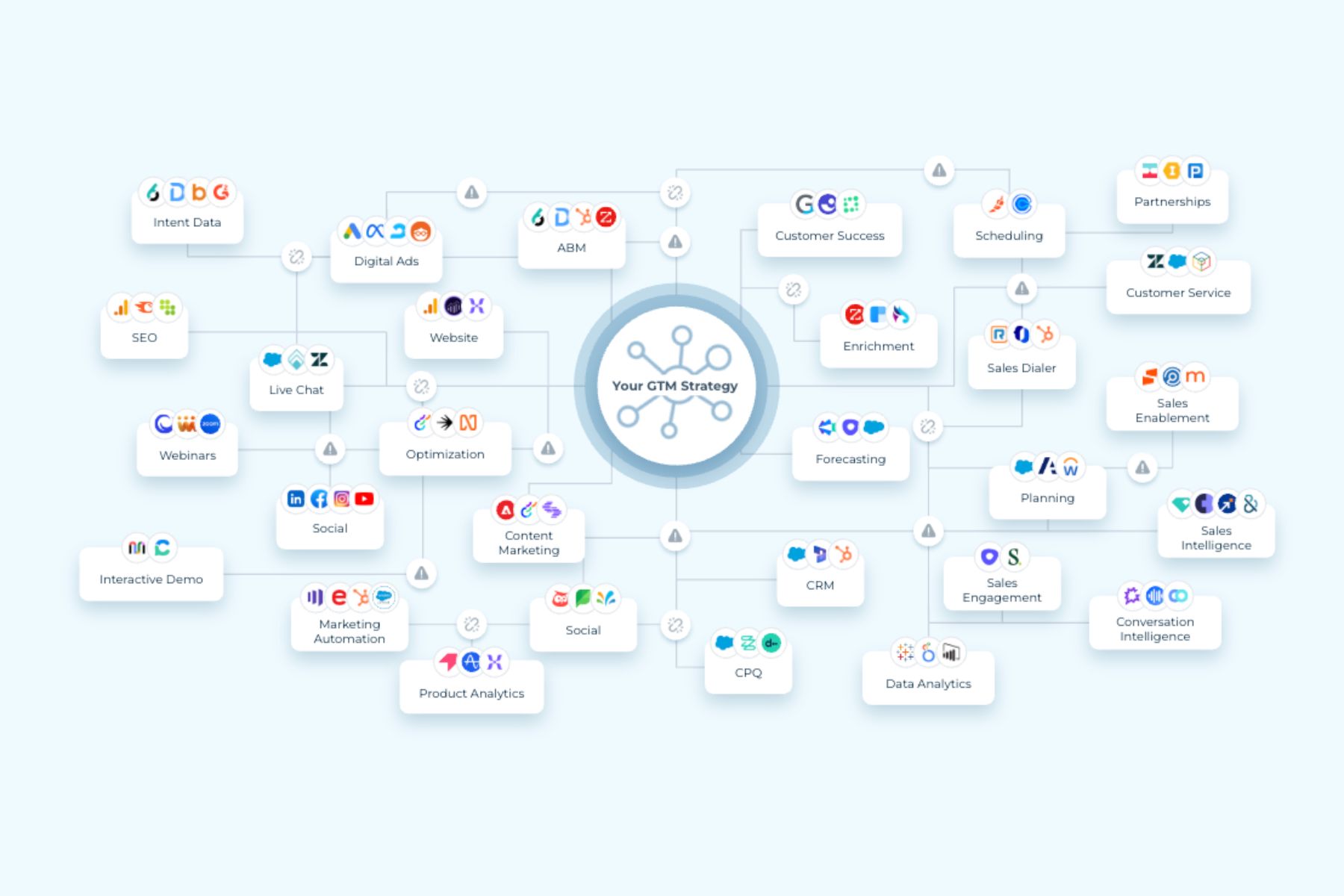
Why Routing Alone Creates Friction
Most operations teams invest significant time designing routing logic. Territories, round robins, ownership rules, and exceptions receive careful attention. First, teams ensure that leads land with the right person. And unfortunately, they assume the rest will happen naturally.
It rarely does.
When scheduling lives outside the routing workflow, handoffs rely on manual effort. Reps must notice alerts, open calendar tools, send links, and follow up.
Meanwhile, buyers wait for confirmation. Consequently, even well-routed leads can stall before a meeting is booked.
Routing assigns responsibility, but it does not drive action. Without automatic booking, reminders, and fallback logic, leads often sit untouched after assignment.
As teams scale, the gaps widen. More reps, more territories, and more tools increase the chance that something slips. Plus, when systems are disconnected, it becomes difficult to pinpoint where the process failed.
Was the lead routed correctly? Did the rep respond? Did scheduling break?
Integrated scheduling addresses these questions by design.
What Integrated Scheduling Means in a LeanData Context
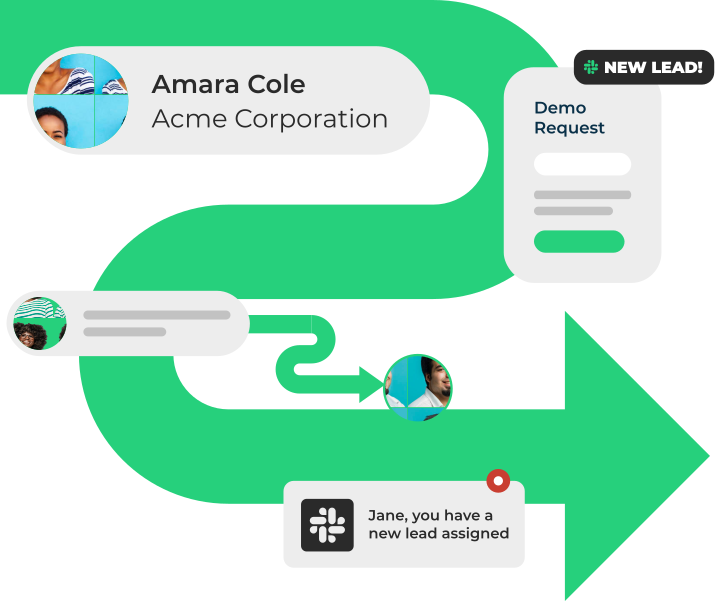
Integrated scheduling means that scheduling does not sit beside routing. It lives inside the orchestration flow.
Instead of routing a lead and hoping the next step occurs, the system guides the process from interest to meeting. Scheduling becomes part of the same logic that assigns ownership, enforces SLAs, and notifies teams.
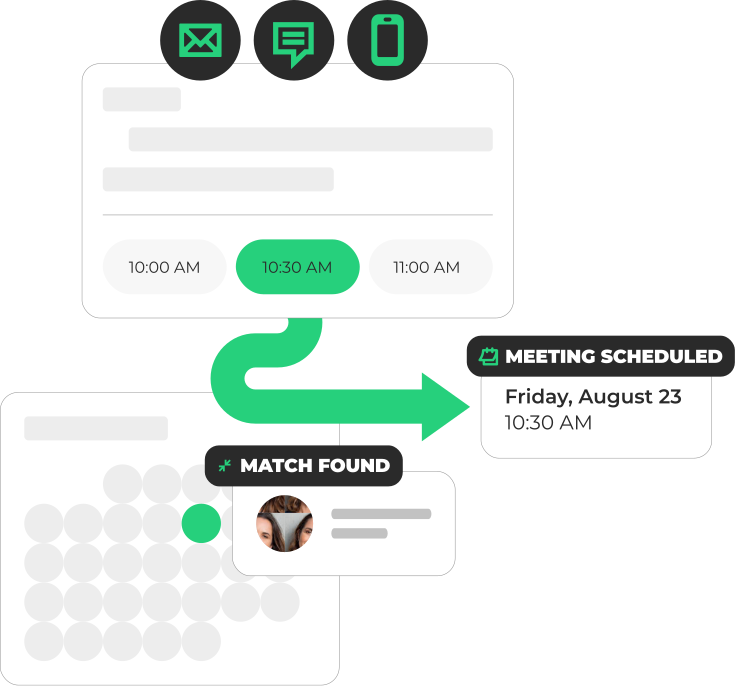
In practical terms, integrated scheduling connects several steps into one experience:
- A lead enters the system through a form, chatbot, or referral.
- Routing logic assigns ownership based on business rules.
- Scheduling triggers automatically, allowing buyers to book meetings immediately.
- Revenue teams gain visibility into whether a meeting actually happened.
True orchestration follows the buyer through the entire journey. It does not stop once a record changes hands.
The Reality of High Volume GTM at ChowNow
Food delivery software provider ChowNow operates in a fast moving environment where volume is high and response time matters. Restaurant owners juggle many responsibilities, so delays quickly erode interest.
ChowNow leads arrive from many sources: website forms, partners, referrals, acquisitions, and inbound calls. Each source carries different context and urgency. Consequently, generic follow up processes create risk.
Before integrating scheduling into routing, ChowNow faced familiar challenges:
- Reps worked hundreds of accounts
- Notifications arrived through multiple channels
- Follow up depended on manual action
- Over time, this created uneven response times and limited visibility
To solve this, ChowNow focused on connecting routing, outreach, SLAs, and scheduling into one coordinated workflow.

Integrated Scheduling in Action at ChowNow
ChowNow’s approach shows how integrated scheduling works in real GTM operations, without relying on disconnected tools or manual coordination.
Scheduling Embedded Directly After Routing
When an inbound lead arrives, LeanData routes it based on ownership rules. Immediately after assignment, the system triggers automated outreach through their sales engagement platform.
First, the lead enters a tailored sequence based on its source.
Next, the rep receives an urgent call task to prioritize the conversation.
Then, scheduling links are automatically included in outreach messages.
Because scheduling links are tied to ownership, buyers always see the correct calendar. As a result, booking a meeting requires fewer steps and less back and forth.
“Over the past six months, we’ve been able to deprecate all those additional tools. One, saving company money. And two, being able to manage everything from one graph.”Dean Rosenberg
SLA Awareness Without Punishment
ChowNow also embedded service level agreement (SLA) tracking into the same flow. After a lead is sequenced, the system waits for a defined window. Then it checks whether a call activity occurred.
If the rep completed the call, the SLA records as “met.” If not, the system sends a reminder through Slack. This process supports visibility and coaching rather than enforcement.
As a result, reps receive timely reminders while operations teams gain insight into response patterns.
One Scheduling Layer Across Channels
LeanData BookIt acts as the scheduling layer across ChowNow’s inbound ecosystem.
Website demo requests, acquisition properties, and chat interactions all feed into the same orchestration flow. The system applies qualification checks, routes ownership, and presents scheduling options without switching tools.
When leads do not meet criteria, they redirect to appropriate pages instead of booking meetings that create friction later.
This consolidation allowed ChowNow to retire separate scheduling and form tools. Consequently, the team manages fewer systems while maintaining clarity across workflows.
Scheduling for SDRs and AEs
Integrated scheduling also supports internal handoffs. SDRs use scheduling directly within Salesforce to book meetings with account executives. At the same time, AEs use the same scheduling flow to book meetings for themselves while speaking with buyers live.
Because scheduling logic references ownership and hierarchy, the correct calendar appears automatically. As a result, reps stay in one system while booking meetings efficiently.
What Strong Integrated Scheduling Looks Like
When scheduling and orchestration work together, several patterns emerge
- Meetings book faster because buyers do not wait for manual follow up.
- Coverage remains consistent even when reps are unavailable.
- SLAs track response time from form fill to booked meeting.
- Visibility improves across the entire funnel.
- Fewer tools reduce maintenance and confusion.
For ChowNow, this translated into faster response times, clearer accountability, and less operational cleanup.
Reps trust the system because it behaves predictably. Operations teams trust the data because each step occurs within one workflow.
Integrated scheduling provides a foundation that supports growth without adding fragility
Designing for Execution, Not Hope
Integrated scheduling is not about adding another tool. It is a design choice about how GTM execution works.
When routing and scheduling remain separate, teams rely on hope.
They hope alerts get noticed.
They hope reps follow up quickly.
They hope meetings happen.
When scheduling integrates directly into orchestration, execution becomes intentional. The system guides each step and records what happens next. As a result, teams gain confidence and clarity without increasing complexity.
ChowNow’s experience shows that integrated scheduling does not require rigid enforcement or technical complexity. It requires thoughtful design that respects how buyers and reps actually behave.
For enterprise teams looking to improve speed, visibility, and coordination, integrated scheduling offers a practical path forward.
FAQ
What is integrated scheduling in GTM operations?
Why does scheduling need to live inside routing workflows?
How does integrated scheduling support SLA tracking?
Is integrated scheduling only useful for inbound leads?

Kim Peterson
Kim Peterson is the Senior Manager of Content Strategy at LeanData where she digs deep into all aspects of go-to-market strategy and execution. Kim's writing experiences span tech companies, stunt blogging, education, and the real estate industry. Connect with Kim on LinkedIn.