












Summary
Disconnected systems. Inconsistent handoffs. An overflow of buyer signals with
no clear action plan. This isn’t just a tool issue—it’s an orchestration challenge. For
today’s Revenue Operations leaders, turning this chaos into an efficient growth
engine is key.
Effective go-to-market (GTM) orchestration relies on a simple yet powerful model:
capturing buyer Signals, automating smart Workflows, and generating actionable
Insights. This aligns sales, marketing, and customer success teams, ensuring
coordinated actions and seamless handoffs. The result? A smooth, high-quality
buyer journey that drives revenue growth.
At the core of this orchestration is your routing graph—the bridge between strategy
and execution. A well-crafted graph doesn’t just route leads; it operationalizes
your entire GTM process, ensuring the right signals trigger the right actions at
the right time.
Whether you’re building your first graph or refining an existing setup, this guide offers practical tips from the LeanData team to help you create, maintain, and
optimize a graph that drives scalable growth.
What You’ll Learn
- Architecting for Scale: How to move beyond basic routing to construct resilient GTM architectures using templates, advanced decision logic, and data tables that adapt as your strategy evolves.
- Operationalizing Maintenance: Strategies to automate data hygiene and routine updates—such as account balancing and record sweeps—using the Routing Scheduler to reduce administrative overhead.
- Leveraging AI for Governance: How to utilize AI Graph Comparison and AI Graph Summary to instantly document complexity, validate changes between versions, and maintain strict governance over your logic.
- Validating Logic with Precision: Best practices for simulating routing scenarios using Routing Preview to troubleshoot regressions and ensure 100% accuracy before deployment.
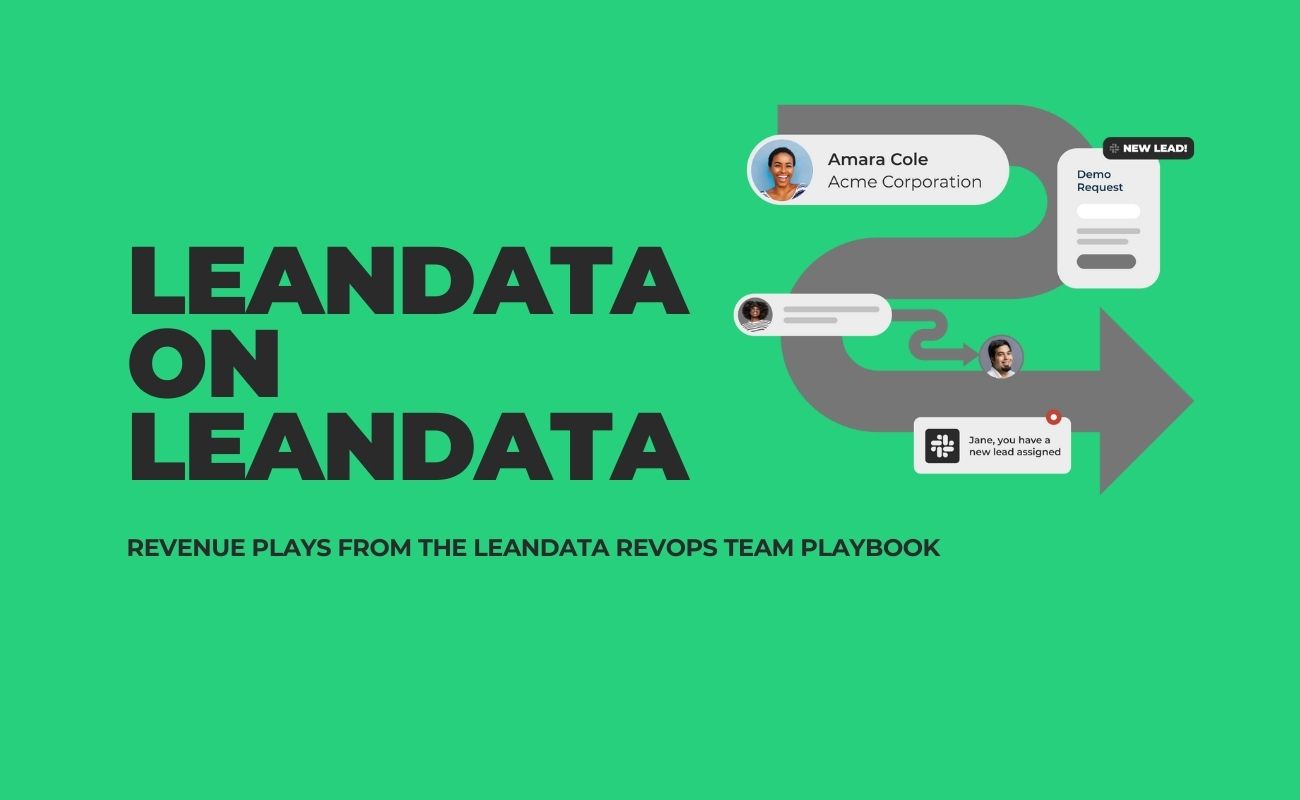
- Unifying GTM Teams: Techniques for using visual organization, color-coding, and real-time Slack/Teams alerts to transform your routing graph from a “black box” into a transparent engine that aligns Sales, Marketing, and CS.
- Driving Continuous Optimization: How to use Routing Insights to identify bottlenecks, monitor performance, and turn raw data into actionable process improvements.
Need more Support? Visit our Help Center.