














Summary
LeanData vs. ZoomInfo Operations (RingLead) is one of the most common evaluations enterprise RevOps teams face, especially when ZoomInfo bundles its Operations product alongside a data renewal. This comparison breaks down how the two platforms differ on lead-to-account matching, Salesforce architecture, routing logic, and GTM orchestration so revenue leaders can make an informed decision.
What You’ll Learn
- Why ZoomInfo Operations (RingLead) and LeanData solve fundamentally different problems
- How lead-to-account matching accuracy differs between the two platforms
- What “Salesforce native” actually means and why it matters for enterprise security and governance
- Which platform handles complex territory routing, SLA enforcement, and buying group orchestration
- What to consider when ZoomInfo bundles Operations into a data renewal deal
The Comparison Enterprise RevOps Teams Are Asking About
If your team is evaluating LeanData against ZoomInfo Operations, also known as RingLead, you are probably in one of two situations.
The first: ZoomInfo offered to bundle Operations into your data renewal at a discounted rate, and now your leadership wants to know whether it can replace your current routing setup.
The second: you are building or rebuilding your RevOps stack and want to understand what each platform actually does before you commit.
Either way, the evaluation deserves more than a feature checklist.
LeanData and ZoomInfo Operations were built with different goals, different architectures, and different assumptions about what your revenue team needs. This article explains those differences clearly.
What ZoomInfo Operations Actually Is
ZoomInfo acquired RingLead in 2021. RingLead was originally a data cleansing and deduplication tool, and that is still the core of what ZoomInfo Operations does well. It normalizes CRM data, prevents duplicate records, and handles data governance at scale inside Salesforce.
ZoomInfo added routing capabilities to the product after the acquisition. Those routing features exist, but they were layered onto a data hygiene architecture. Routing logic is built through list-based IF/THEN rules, records must leave Salesforce for processing, and audit capabilities are limited to high-level outcome data.
For teams whose primary problem is CRM data decay and duplicate management, ZoomInfo Operations addresses that well. For teams that need reliable, real-time routing of leads, contacts, and accounts across complex territory structures, the product has meaningful limitations that are worth understanding before you sign.
What LeanData Actually Is
LeanData is a GTM orchestration platform built natively inside Salesforce. It has been purpose-built for the problem of routing, matching, and coordinating revenue activity since its founding.
It was not acquired into a data company. It was not built by layering routing onto an existing architecture.
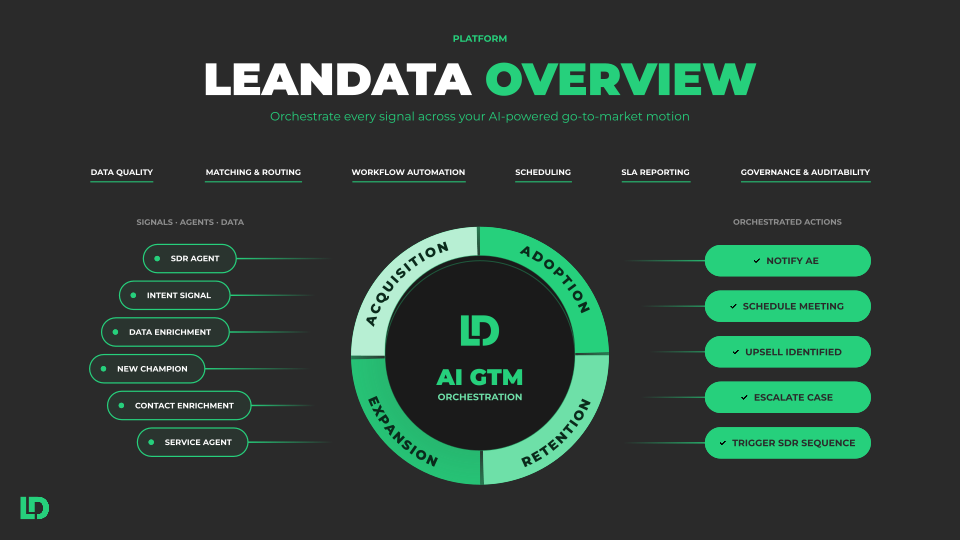
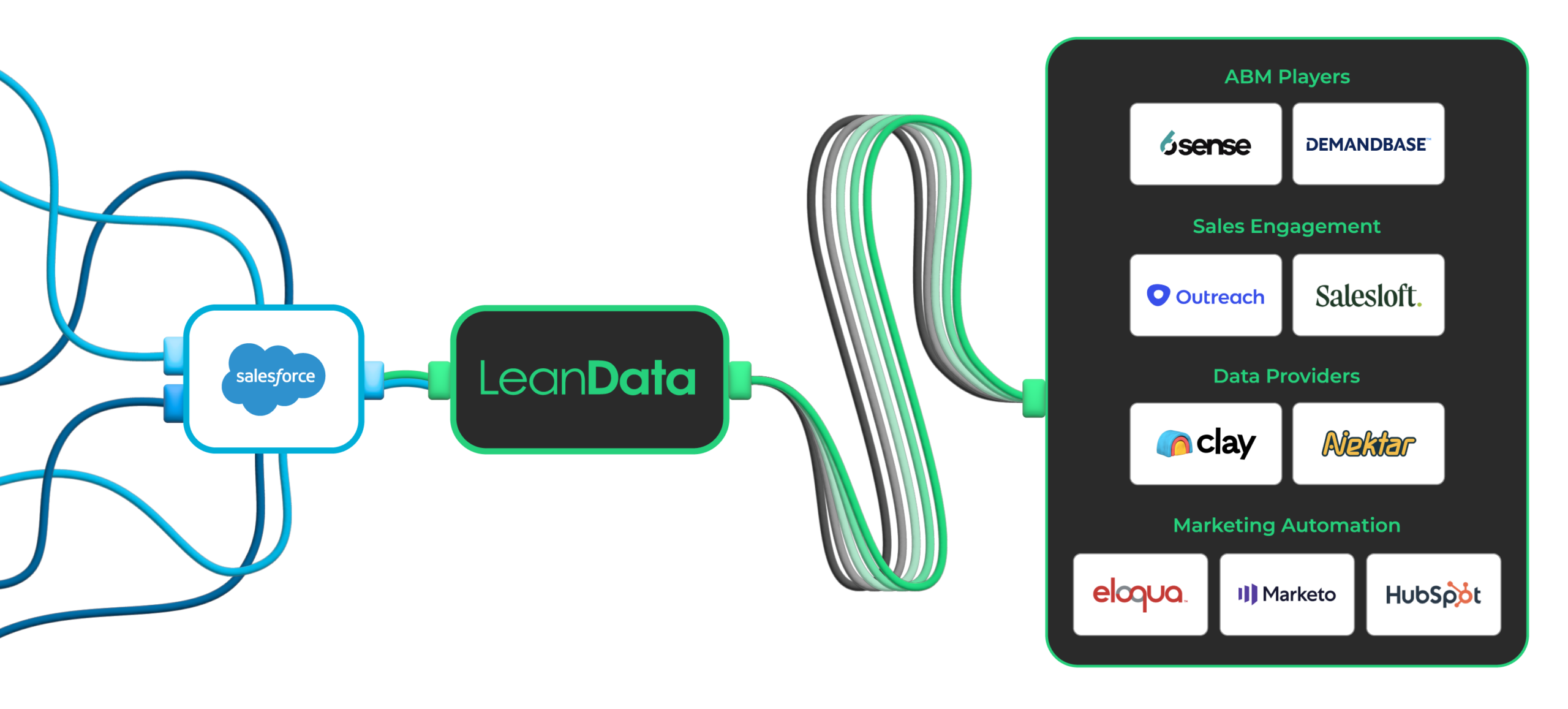
The platform covers lead-to-account matching, complex territory routing, meeting scheduling, SLA enforcement, buying group orchestration, and AI signal routing. All of it runs inside your Salesforce org, using Salesforce’s native permissions, security model, and data infrastructure.
That distinction matters more at the enterprise level than it does for smaller teams, and the rest of this article explains why.
LeanData vs. ZoomInfo Operations (RingLead): Head-to-Head Comparison
The Salesforce Native Question
“Salesforce native” is a term that gets used loosely, so it’s worth being specific about what it means and why it matters.
Salesforce defines a native application as one that runs entirely within the Salesforce platform without requiring data to be processed on third-party servers. LeanData meets that definition. Every routing decision, matching action, and audit log lives inside your Salesforce org.
ZoomInfo Operations does not meet that definition. Configuration and processing happen off-platform at dms.ringlead.com. Before any routing action occurs, records must be synced outside of Salesforce and back again.
For many enterprise organizations, this isn’t a preference issue, it’s a procurement requirement.
Information Security teams reviewing your RevOps stack will ask where data is processed. Data residency policies may restrict what can leave your CRM environment. When you use a native application, the answer is simple: the data never left Salesforce. When you use a non-native application, the answer requires a security review of a third-party vendor’s infrastructure.
Beyond compliance, there is a practical operational difference:
- Non-native processing introduces sync latency between the external system and Salesforce.
- Latency affects speed-to-lead.
- Any outage or performance issue on the external platform directly impacts your routing.
Why Lead-to-Account Matching Accuracy Matters More Than You Think
Lead-to-account matching is the foundation of your entire routing motion. If a lead matches to the wrong account, or fails to match at all, the downstream effects compound quickly: wrong rep gets the lead, SLA clock starts on a misrouted record, account ownership disputes arise, and pipeline attribution breaks.
ZoomInfo Operations matches records only when they are first created. If a lead re-engages six months later with an updated email address or company name, ZoomInfo Operations will not re-evaluate the match. That lead routes based on stale information.
LeanData matches on creation and on update. When a record changes, the matching logic re-evaluates it. This matters particularly for outbound sequences where a prospect’s contact information gets enriched mid-flight, for re-engagement campaigns targeting cold leads, and for any motion where a lead’s company or role has changed since first capture.
Out of the box, ZoomInfo Operations typically achieves a 20-40% match rate without significant manual configuration of its rule sets. LeanData’s fuzzy matching algorithm, which evaluates six fields simultaneously with configurable tie-breakers, achieves up to 95% accuracy from initial setup.
That gap in match accuracy shows up directly in your routing quality and your rep experience.
The Bundling Question: When ZoomInfo Offers Operations at a Discount
This is the conversation that sends many enterprise teams to this comparison in the first place.
ZoomInfo’s current go-to-market strategy bundles Operations into data renewal deals, often at a significantly discounted rate. The pitch is straightforward: you already pay ZoomInfo for data enrichment, so why pay a separate vendor for routing?
It’s worth thinking through what you are actually comparing when you evaluate that offer.
#1 The Operational Overlap
ZoomInfo enriches your data and then charges you to route the records it enriched. If the enrichment quality is low, or if duplicate records persist, you are paying for routing on bad inputs. There is no structural incentive for the same vendor to optimize data quality for your routing outcomes.
#2 The Capability Gap
If your routing requirements include complex territory structures, SLA enforcement, multi-object routing, buying group orchestration, or meeting scheduling integrated into your routing flows, ZoomInfo Operations does not cover those use cases. You would still need additional tooling.
#3 The Switching Cost Context
LeanData customers who replaced RingLead did so after experiencing specific failure modes, including leads that could not be audited when something went wrong, routing logic that required full rebuilds for territory changes, and match rates that required extensive manual maintenance to keep accurate.
The bundled discount rarely accounts for the operational cost of those failure modes over a full contract term.
None of this means the ZoomInfo bundle is always the wrong choice. If your primary need is data deduplication and normalization, and your routing requirements are relatively simple, ZoomInfo Operations may be sufficient.
The question is whether “sufficient” is what your revenue team actually needs.
“We tried using Ringlead for routing purposes but the way the logic needed to be built was super complex, repetitive and prone to manual errors so we like Leandata as auditing and testing is better and you can even see where the error is for your graph. Having a graphical or visual presentation really made the difference.”Analyst in Engineering Information Technology & Services Company, 501-1000 employees
G2 LeanData vs. ZoomInfo Operations: What the Review Data Shows
Independent review data from G2 adds useful context to this comparison. LeanData has 1,010 verified reviews at 4.6 out of 5. ZoomInfo Operations has 353 reviews at 4.4 out of 5. LeanData’s review volume is nearly three times larger, which reflects how many enterprise RevOps practitioners have formed a documented opinion about the platform.
The category-level ratings tell a more specific story:
Source: G2, May 2026
A few things stand out. LeanData leads on Quality of Support by half a point (9.1 vs. 8.6), which matters when routing errors affect pipeline and your team needs fast resolution. The Product Direction gap is the largest in the table: 9.4 vs. 8.5. That gap reflects how confident each platform’s customers feel about where the product is headed. For a buying decision that will affect your GTM motion for two or more years, that difference is worth factoring in.
ZoomInfo Operations scores slightly higher on Ease of Setup (8.5 vs. 8.1), which is consistent with what you would expect from a product with a narrower scope. A data hygiene tool with basic routing has fewer variables to configure than a full orchestration platform. That trade-off is real and worth acknowledging.
The most telling signal in the G2 data may be the ZoomInfo Operations review themes. Reviewers praise the platform for data accuracy in the pros, then flag inaccuracy issues as a top con, with “Inaccuracy Issues” and “Inaccurate Data” appearing as the third and fourth most common complaints.
For a product sold primarily on data quality, that inconsistency is worth noting if your team is evaluating ZoomInfo Operations as a combined data and routing solution.
Where LeanData Goes Beyond Routing
For enterprise teams evaluating this comparison, it’s worth understanding what LeanData covers that sits outside the scope of a routing-vs-routing comparison with ZoomInfo Operations.
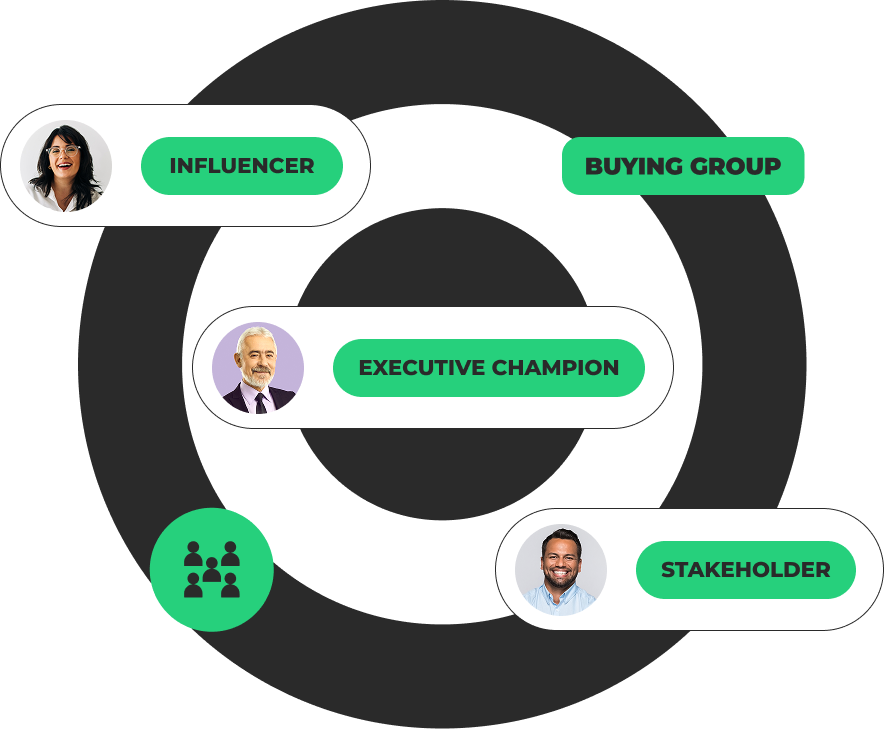
Buying Group Orchestration. B2B enterprise deals rarely involve a single buyer. LeanData’s Buying Groups Journeys product identifies the full buying committee for an account, maps stakeholder roles, surfaces missing roles, and routes coordinated actions across the entire group. ZoomInfo Operations has no equivalent capability.
Meeting Scheduling. LeanData’s BookIt product handles inbound form-to-calendar conversion, rep-to-prospect scheduling, and handoff scheduling across stages, all integrated within the same FlowBuilder that manages your routing logic. This means a lead can be matched, routed, and booked into a meeting within a single automated flow.
AI Signal Routing. As revenue teams add AI tools to their stacks, including AI SDRs, intent platforms, predictive scoring models, and AI-driven chatbots, those tools generate signals that need to go somewhere. LeanData routes any AI-generated signal through the same orchestration layer as any other action, with the same audit logs and the same governance. ZoomInfo Operations was not built for this use case.
SLA Enforcement. LeanData’s SLA timers hold records in flow until specific conditions are met, trigger automatic reassignment when timers expire, and notify managers when SLAs are missed. This is one of the capabilities former RingLead users most frequently cite as a reason for switching.

What LeanData Customers Say After Switching from RingLead
Real enterprise teams have made this switch. Here is what they report.
One agentic process automation company evaluated ZoomInfo Operations for lead-to-account matching and found the match rate fell short of what their inbound volume required. Their ops team described wanting “a higher match rate, which we don’t have at this standpoint.”
Another global enterprise software company specializing in AI-driven automated testing and quality engineering replaced RingLead with LeanData, specifically to address routing reliability and Salesforce governance requirements.
A global payroll, compliance and HR solutions platform replaced RingLead with LeanData, citing the need for routing logic that could scale with their growth without requiring full rebuilds.
On review platforms, former RingLead users are consistent about the same pain points: audit visibility, routing logic that is difficult to maintain as territories evolve, and match rates that require ongoing manual intervention.
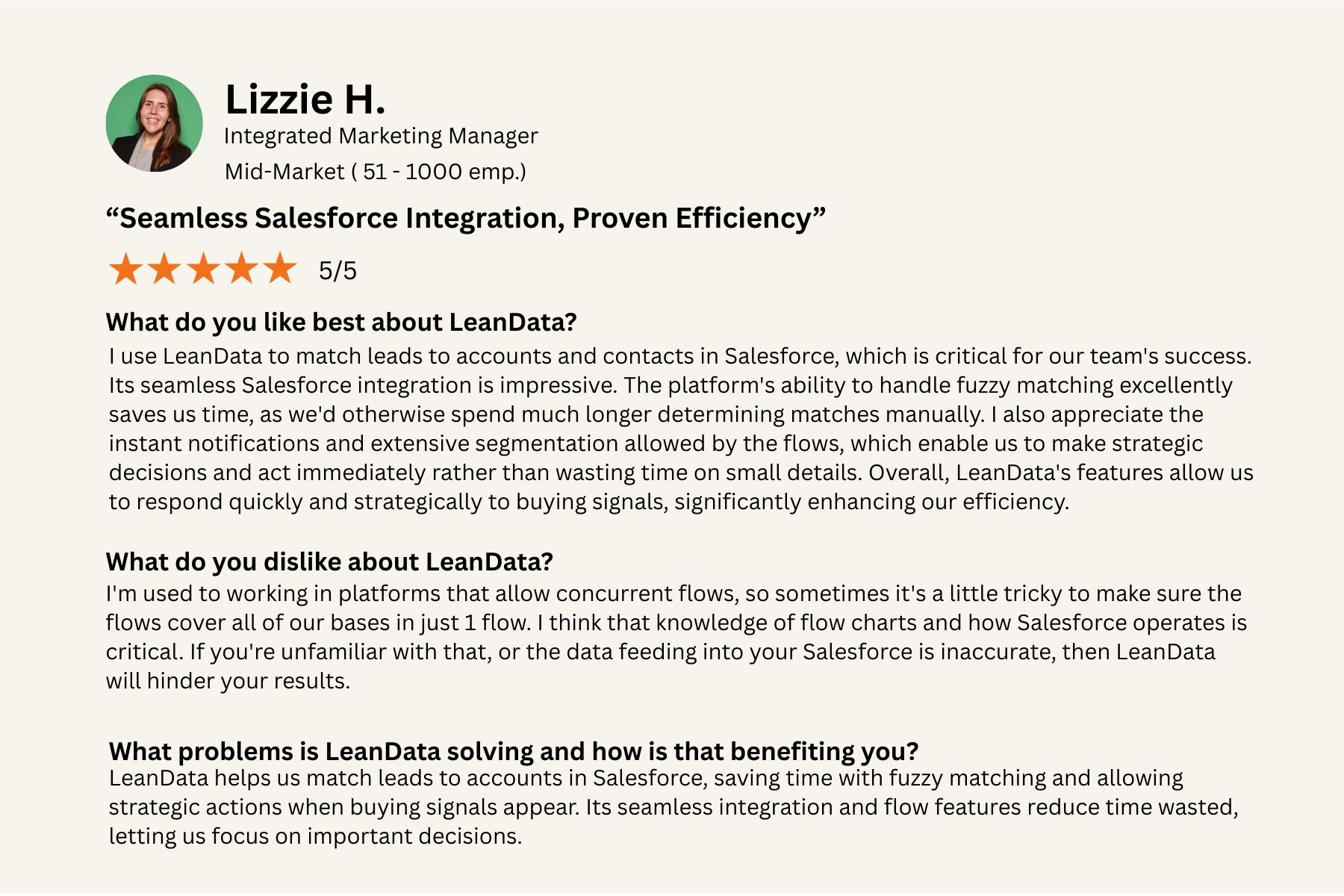
One TrustRadius reviewer put it this way: “We tried using RingLead for routing purposes but the way the logic needed to be built was super complex, repetitive, and prone to manual errors. LeanData’s auditing and testing is better and you can even see where the error is in the graph.”
A LeanData customer who manages GTM systems described the LeanData audit experience: “When something unusual happens or goes wrong, I can just use the LeanData Audit Logs and do a quick search on what really happened. It preserves the history.”
Who Should Choose Which Platform
This is a genuine answer, not a sales pitch. The right choice depends on what problem you are actually solving.
ZoomInfo Operations is likely the right fit if:
- Your primary challenge is CRM data decay, duplicate records, and data normalization
- Your routing requirements are straightforward and do not involve complex territories, SLAs, or multi-object logic
- You are already deeply invested in the ZoomInfo data platform and the bundle pricing makes the economics work for your use case
- You have a small RevOps team and a lower volume of inbound leads
LeanData is likely the right fit if:
- You need reliable, real-time lead-to-account matching at enterprise inbound volumes
- Your routing involves territory hierarchies, account ownership rules, round-robin logic, or exception handling
- You require SLA enforcement with automatic reassignment and manager alerts
- Your Information Security or compliance team requires all data processing to remain inside Salesforce
- You are running account-based plays and need buying group visibility and coordination
- Your RevOps stack includes AI tools whose outputs need to be routed and governed
- You need full audit logs to troubleshoot routing errors and answer questions from sales leadership about why a lead went where it went
FAQ: LeanData vs. ZoomInfo Operations
Is ZoomInfo Operations the same as RingLead?
What is the difference between LeanData and ZoomInfo Operations for lead-to-account matching in Salesforce?
Can ZoomInfo Operations replace LeanData for enterprise routing?
Is LeanData worth the cost compared to getting ZoomInfo Operations bundled into a ZoomInfo data contract?
Show us your current setup. We will show you what is possible.

Kim Peterson
Kim Peterson is the Senior Manager of Content Strategy at LeanData where she digs deep into all aspects of go-to-market strategy and execution. Kim's writing experiences span tech companies, stunt blogging, education, and the real estate industry. Connect with Kim on LinkedIn.