













Summary
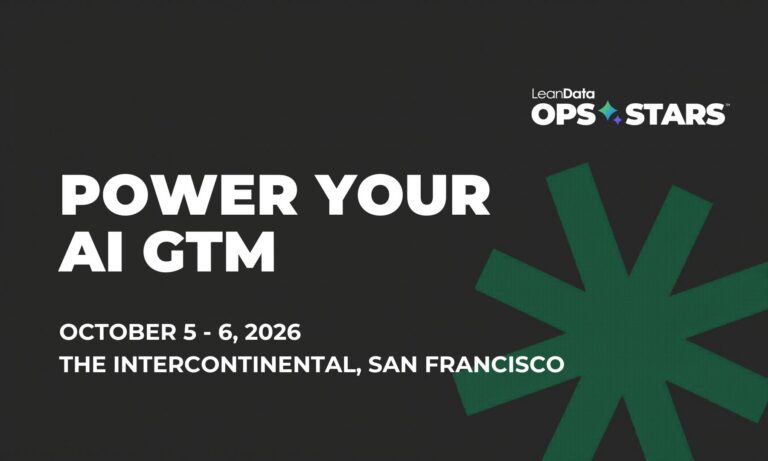
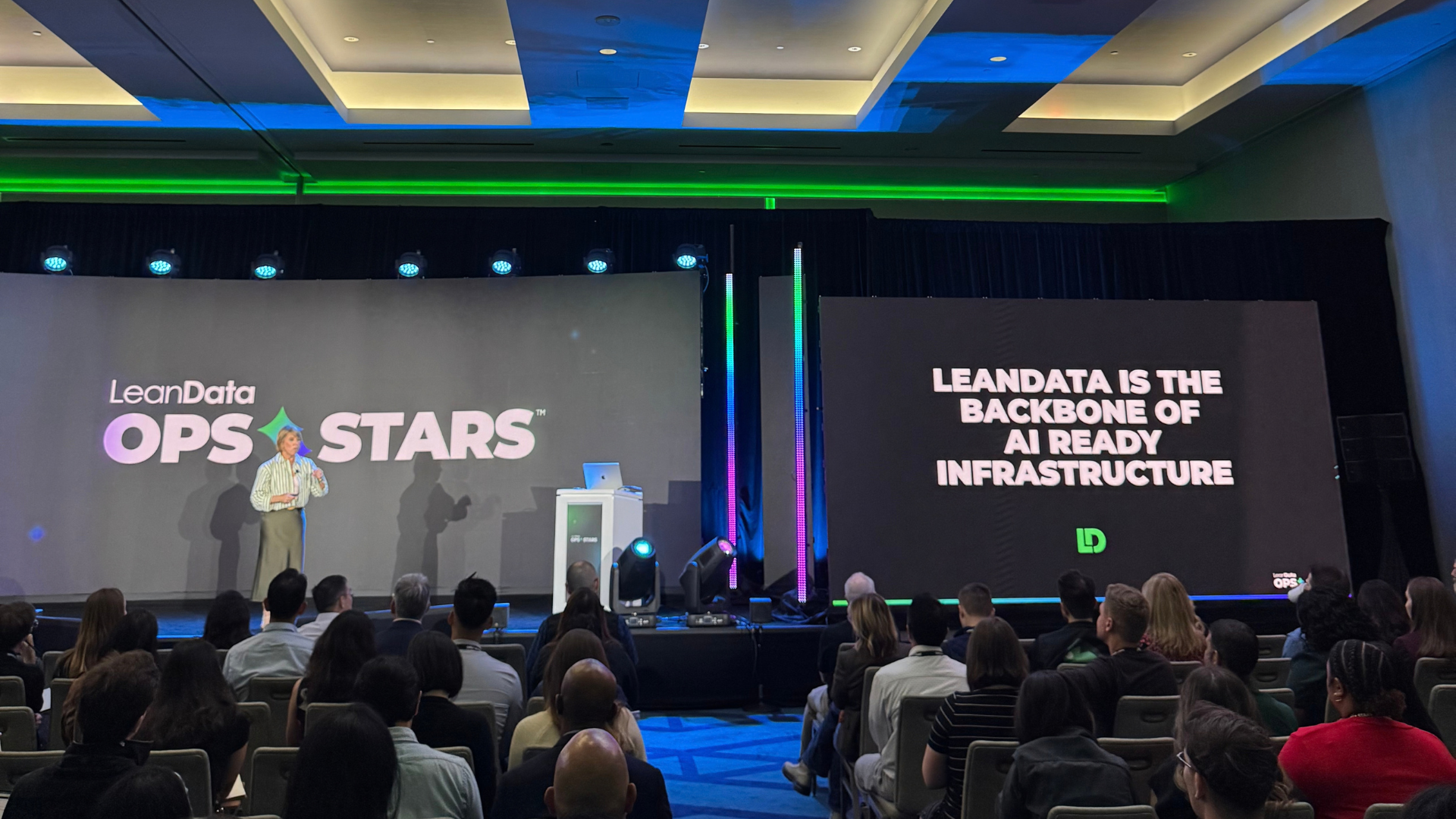
OpsStars 2026 brought hundreds of GTM Ops leaders to the InterContinental San Francisco on Oct. 5 for the first standalone OpsStars. This OpsStars 2026 recap covers the biggest moments of the day. LeanData CEO Katy Keim opened by naming the AI Reckoning and making the case that Ops teams will lead their companies through it. Chief Product Officer Amar Doshi then introduced Run by LeanData, the agentic solution to help GTM Ops spend less time fixing and more time building. Across the keynote, sessions, and awards, one idea persisted: AI can only be as reliable as the data, process, and context underneath it.
What You’ll Learn
- What LeanData announced in the opening keynote and why GTM Ops sits at the center of the AI Reckoning
- How Run by LeanData helps Ops teams spend less time fixing and more time building
- Which AI capabilities LeanData customers can turn on today
- Who won the 2026 OpsStars Awards, including OpsStar of the Year
- How to sign up for early access to Run
Opening Keynote: Welcome to the AI Reckoning
Katy Keim started with a look back at what she called the first chapter of AI. It felt like magic, and every leader was telling their teams to go faster. They built digital twins, launched AI SDRs, and even made leaderboards for burning tokens. The excitement and innovation were widespread, but one question kept getting overlooked:
 “We got so busy teaching people to use AI that we forgot to ask whether any of it was growing the business.”
 Katy Keim

Chapter two already looks very different. Unlimited experimentation has given way to AI councils, security reviews, operational guardrails, and one hard question: Where’s the impact?
“Are we in the same place as we were in chapter one? Because I think we’re somewhere very, very different. Instead of hitting the go button, I think we’re hitting the reset button.”
That shift is the AI Reckoning. Katy was clear that it doesn’t mean taking a step back from AI. Ambition is high, and in her own words, she is “so bullish on AI.” The problem is that most infrastructure isn’t ready to support what teams are asking AI to do.
A skyscraper on quicksand
As an example of what that looks like, Katy pointed to San Francisco’s Millennium Tower. It was built to be a crown jewel of the skyline complete with luxury condos and high-profile residents. Then it started sinking and tilting.
“The challenge: The building was sinking. It was tilting. We literally built a skyscraper on quicksand. And that’s what we’re doing with AI.”
Importantly, this isn’t just an idea. It’s backed up by research. In LeanData’s 2026 State of AI Go-to-Market Readiness Report, 93% of GTM teams said they’ve deployed at least one AI agent, but only 31% said their infrastructure was ready for it. When AI initiatives struggle to take off, the model is rarely the reason. The 157 revenue practitioners we surveyed pointed to three root causes, with each mapping to a pillar of AI-ready infrastructure:
So who fixes it? You do.
The model usually isn’t the problem, Katy said, and neither is the business case. It’s what lies underneath. AI will confidently scale whatever mess it finds there. So who fixes it?
Ops does. Ops teams know the edge cases, the exceptions, and the tripwires that executives never see. That’s why, as Katy put it, the path to AI transformation runs through operations. Teams move from experiments (pilots, tools, and tokens), through the operational work of fixing data, process, and context, and only then reach real transformation where they can move with speed and accuracy at scale.
She also challenged the room to change how they show up. Instead of being the “Department of No” that blocks projects over dirty data and undefined processes, Ops can become the “Department of Yes, and.” That means yes to the big idea, and here’s what we need to make it work.
For LeanData, that comes down to trust and speed: helping teams go fast and trust the output. She closed by describing what happens when teams believe their foundation is solid enough to scale with swagger: “They stop hedging, they stop explaining, they stop declining, and they start delivering.”
Introducing Run by LeanData
Amar Doshi, now one year into his role as LeanData’s Chief Product Officer, picked up where Katy left off with a scene every Ops team knows. Tickets are piling up. Reps ask for account merges and owner changes. A form sends the wrong dropdown values. Whether each issue turns out to be valid or erroneous, someone still has to take the time to investigate it. At Vanta, one of Run’s design partners, that adds up to about 3,000 cases a month in the RevOps queue.
Amar extended Katy’s skyscraper-on-quicksand metaphor. Ops teams are working in a tilted system they continuously fix while everyone keeps using it, and every new AI tool adds more activity and more strain to ground that was already soft.
 “Everyone is putting AI to work in GTM. No one team owns the data, policies, and workflows it runs on. And every new AI agent we add makes that more urgent for Ops to solve.”Kaushik Patel


Over the past year, Amar talked with more than 50 GTM Ops leaders. Their message was consistent. They don’t have a strategy problem; they have a capacity problem. So the team asked what it would look like if a product could bring Ops decisions instead of tickets, work proactively ahead of them, learn from every decision, earn autonomy through their approval, and speed up Ops without sacrificing trust.
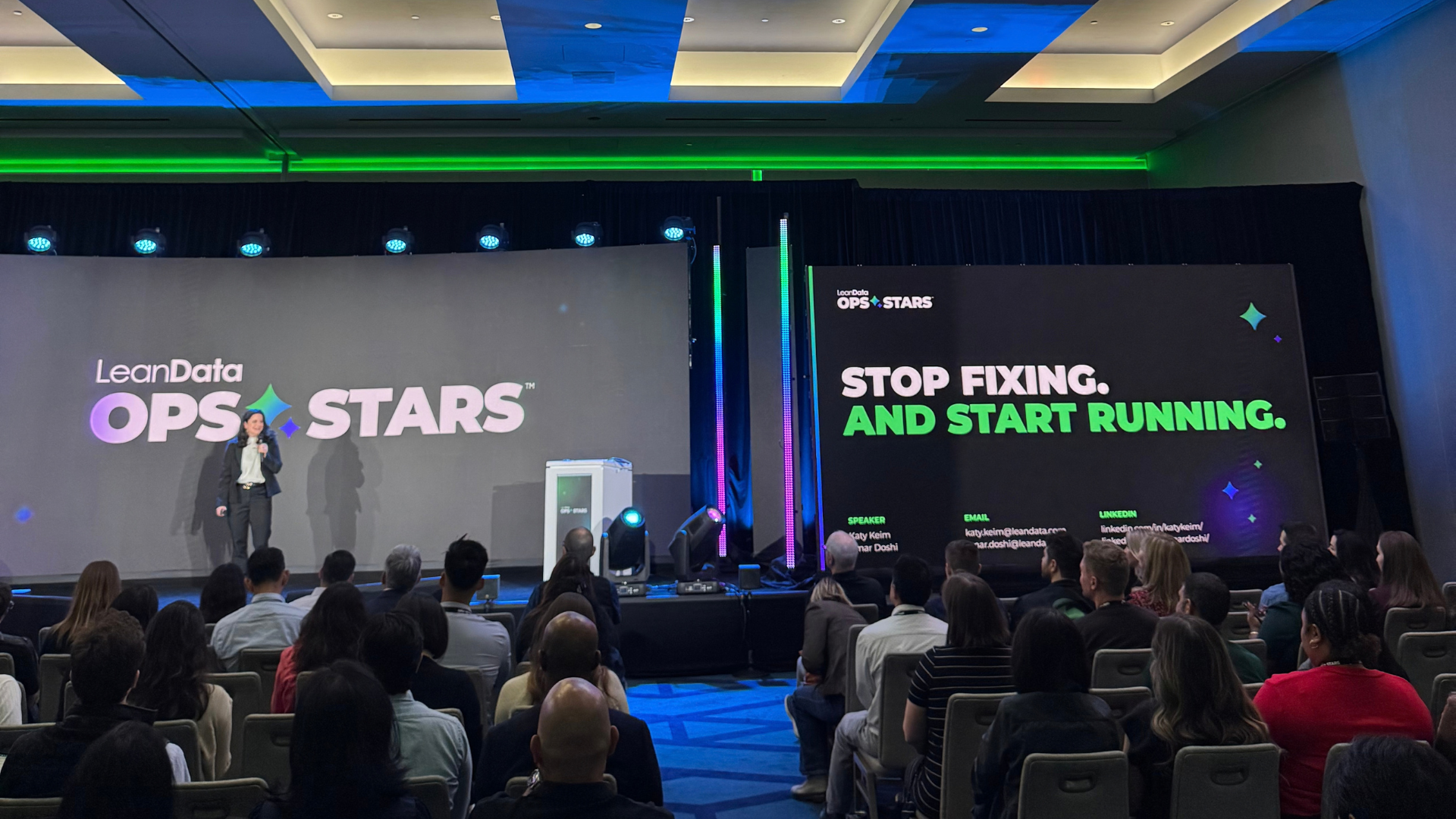
The answer is Run by LeanData, the agentic solution for GTM Ops. Run works your queue, watches your CRM, and runs on the rules you set. With it, your team can finally stop spending every week on the same issues.
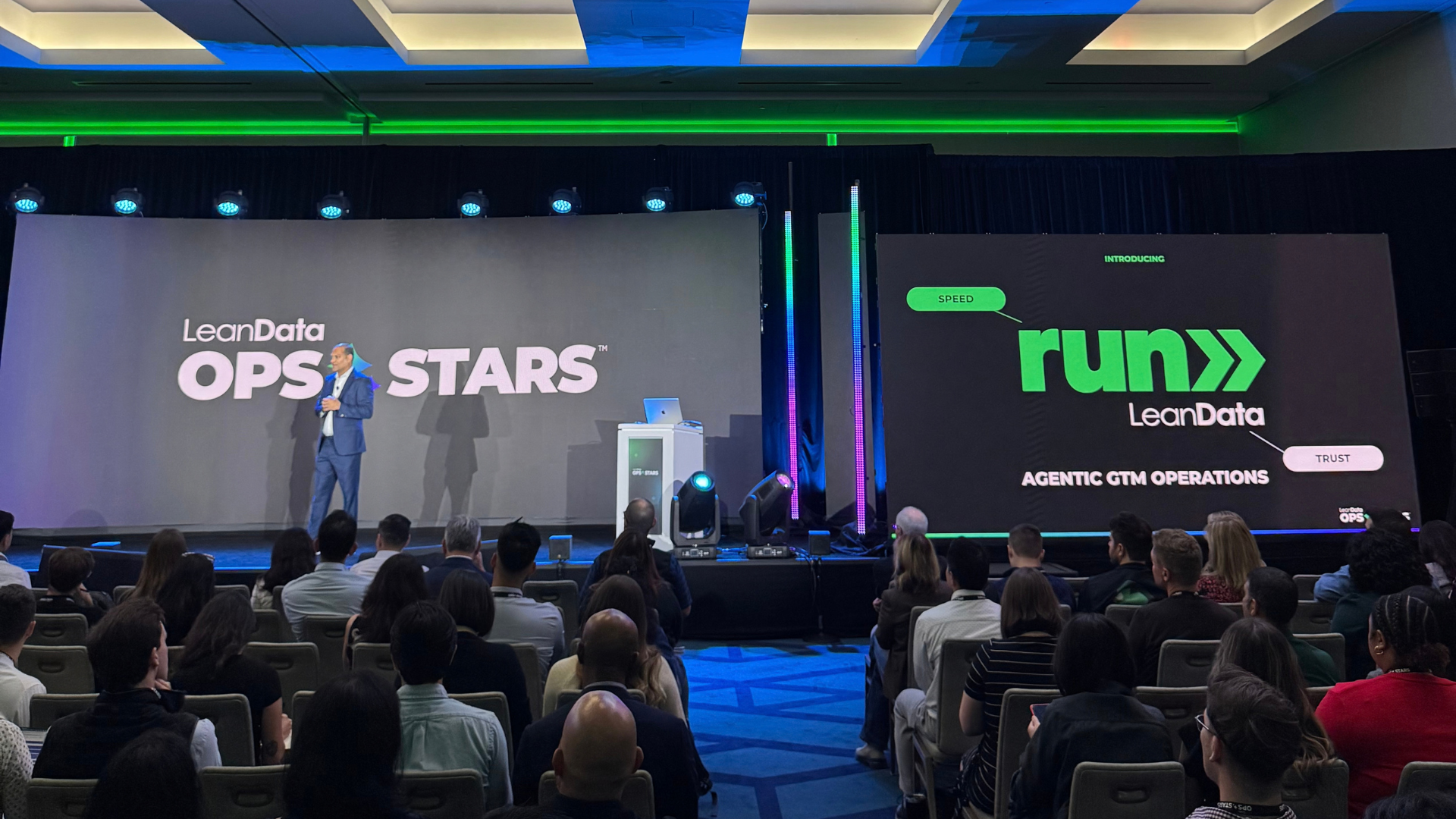
Run works in three ways. Vivek Ravisankar, LeanData’s SVP of Engineering, walked through each one live using the premise of a fictional company:
For Ops, the payoff is relief from the queue, foresight into what’s breaking, and clarity on how the business actually runs.
Design partners described the same pain in their own words. “We find out one of two ways,” said Nicole Peinado, Revenue Technology Manager at Uber. “Somebody complains, or we go and verify it by hand. We can’t do that weekly, so we get to it maybe twice a year. Everything that breaks in between is running until somebody notices.”
You decide. It runs.
Run is built around earned autonomy:
- It proposes, and you approve. Nothing changes without a yes, and you can undo anything it changes.
- It shows its work. Answers cite the rule they’re based on, and fixes show what else they would touch before you decide.
- It earns more room over time. As you approve the same kinds of decisions, Run can take them on itself, so you never hand over control on day one.
Run builds on more than a decade of LeanData’s work keeping GTM operations trustworthy across more than 1,000 companies and 2 billion GTM decisions a year. It’s also a standalone product. It doesn’t require LeanData Orchestration or Scheduling, though it works well alongside them.
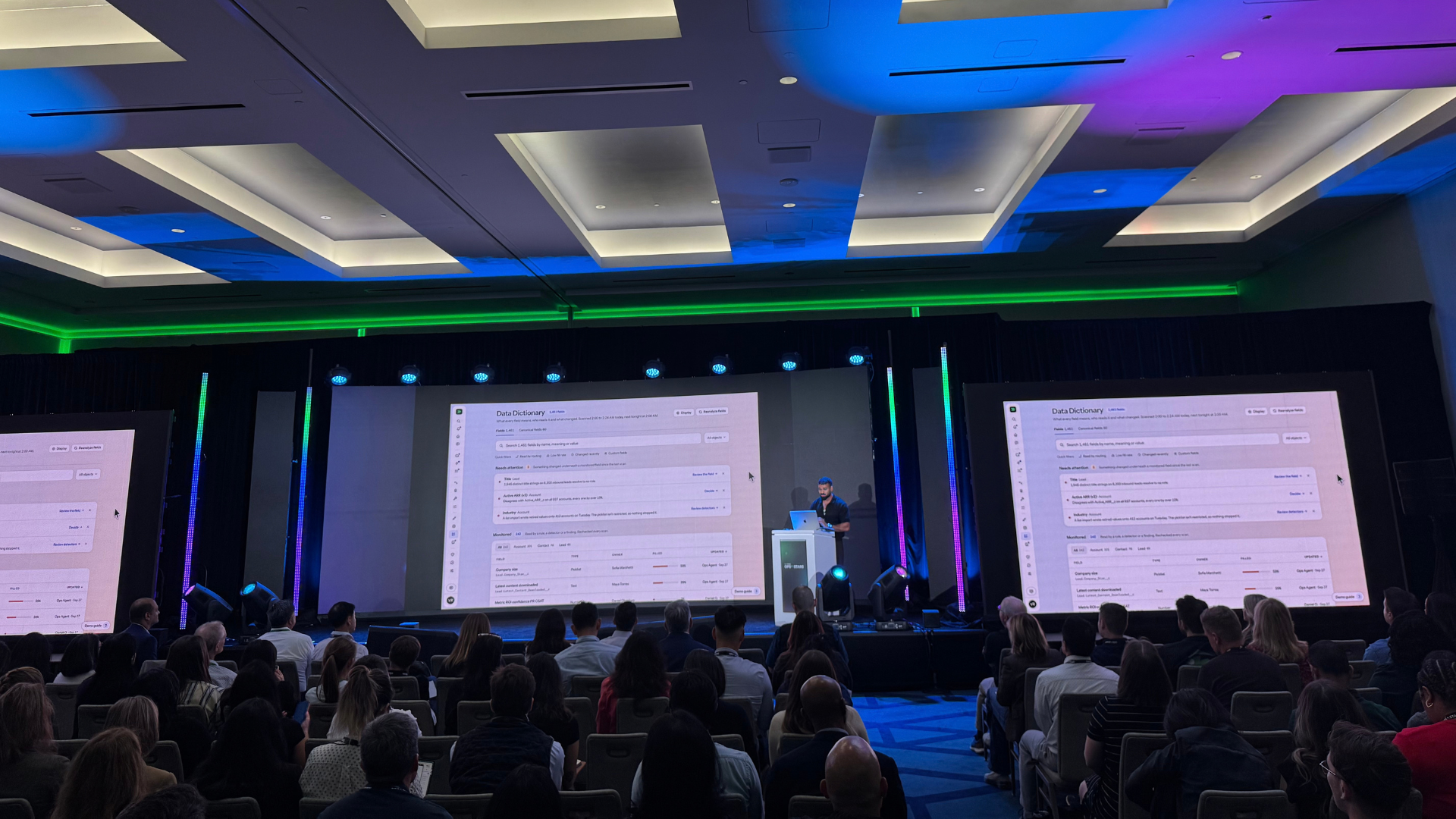
Want to put Run to work for your Ops team? Sign up for early access.
Already in your LeanData instance
Amar also covered AI capabilities that LeanData customers can turn on today, many from the recent 9.x release:
A few highlights:
- AI Assistant explains what a flow does and why a record took a given path to help teams build flow logic without deep FlowBuilder expertise
- The AI Inference Node classifies, extracts, and summarizes unstructured data to drive routing decisions while keeping AI decisions auditable and controllable
- BookIt MCP lets admins run org-wide diagnostics, analytics, and pool and routing operations while letting reps manage their own meetings
As Katy said to close it out: Turn on what you already own.
OpsStars 2026 Recap: Session Highlights
After the keynote, the agenda pivoted so attendees could hear from the practitioners doing this work every day.
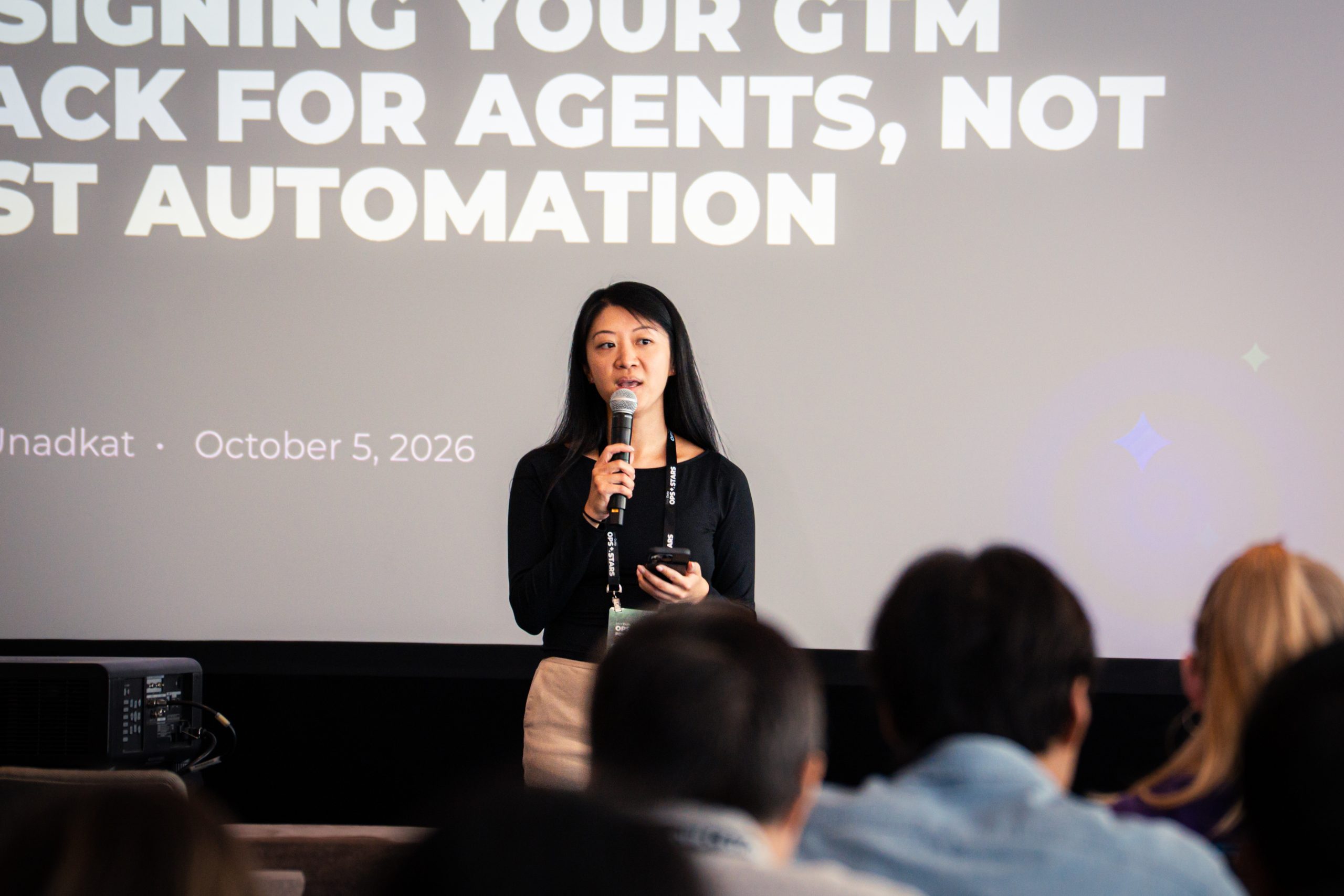
Korn Ferry: Rebuilding for speed, then adding AI
Jessi White, VP of Marketing Operations at Korn Ferry, opened the main-stage sessions by walking through how her team standardized lead management and rebuilt its orchestration engine. The result cut speed to lead from more than 30 minutes to five and laid the groundwork for AI-first engagement.
Autodesk: Six weeks to six days
Autodesk’s global routing once ran on custom Apex, so every territory change needed an engineering build. Robyn Courtney and Nitish Tyagi shared how the team rebuilt routing as no-code flows in LeanData. RevOps and Marketing Ops can now handle routine changes themselves, and they have an audit trail for every routing decision.
Uber for Business: An AI SDR with a human handoff
In a hands-on Behind the Build session, Nicole Peinado and teams from Salesforce and LeanData showed how Uber for Business built an Agentforce SDR to engage self-serve sign-ups. When a prospect needs a person, LeanData routes them to the right specialist and Scheduling books the meeting. Get the full story.
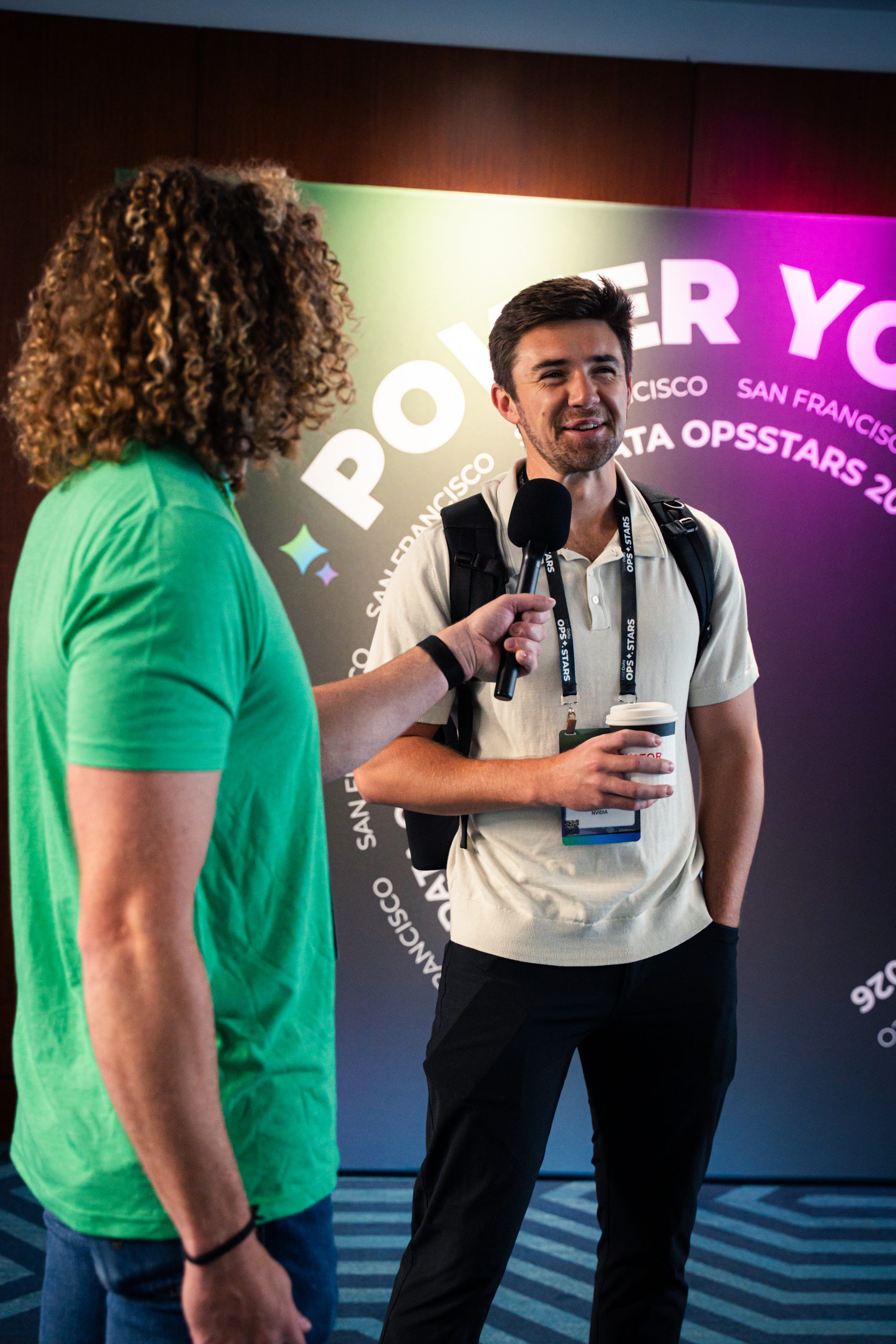
Around the Clubhouse
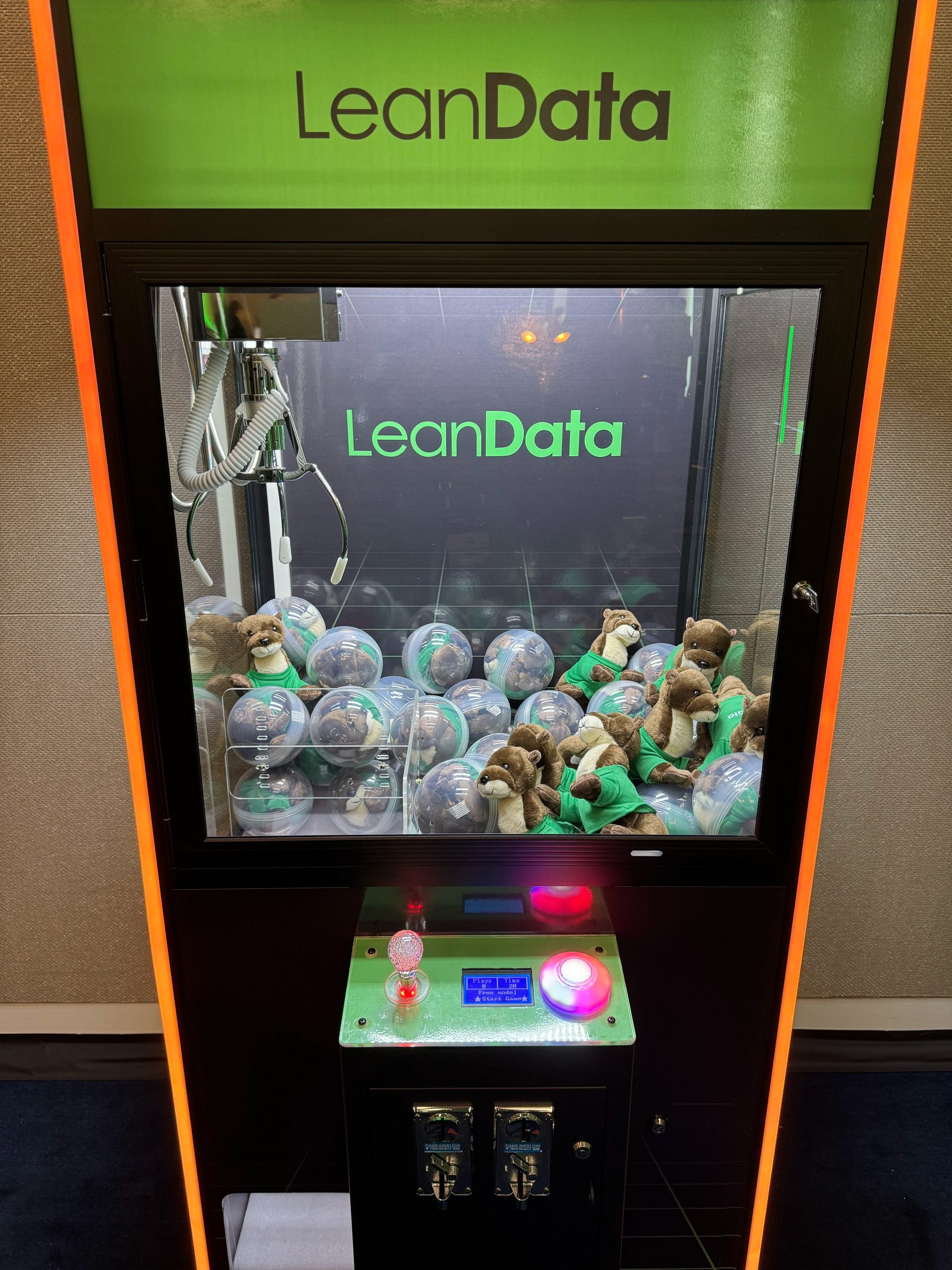
Between sessions, the LD Clubhouse offered lots of other fun finds and activities:
- A claw machine filled with LeanData otters
- A popcorn bar with toppings like truffle salt and chili lime
- The Power Up! Station, where attendees could get a LeanData Scorecard or build an AI use case live with the team
- A punch card raffle with a Nintendo Switch 2 as the top prize
Down the hall, EMMIE Collective’s Spill the Tea Lounge offered a spot to relax and recharge, and the custom perfume station drew a crowd all day. Thank you to our Gold sponsors Informa TechTarget, Salesforce, Outreach, and Polytomic as well as our Silver sponsors 6sense, Demandbase, EMMIE Collective, Expertise.ai, Tario, and UserGems.
The 2026 OpsStars Award Winners
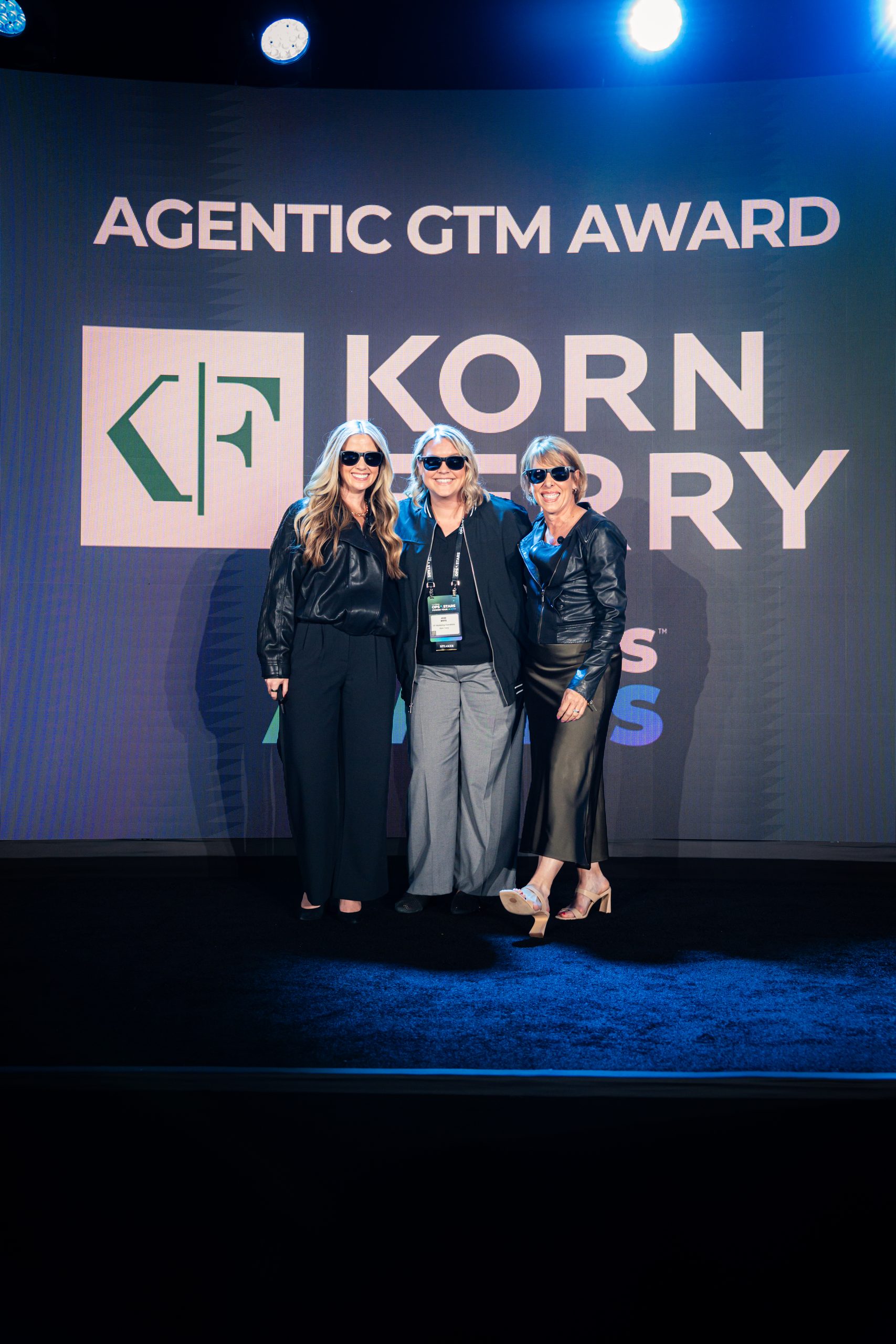
To finish up the day, Katy Keim and Senior Director of Customer Marketing Ashley Ward announced the winners of the eighth annual OpsStars Awards live on stage. Many of this year’s winning projects started by getting the data, process, and context right before layering AI on top. Congratulations to every winner and finalist.
Nicole Peinado’s OpsStar of the Year win capped a big day for Uber for Business. Her team brought AI into onboarding without disrupting the human team behind it and tested the AI motion against a human baseline before expanding it.
Get AI-Ready
Katy and Amar closed the keynote with three next steps, and they’re a good place to start:
- Turn on the AI features you already own. AI Assistant, the AI Inference Node, and more are available in your LeanData instance today.
- Sign up for early access to Run. Get ready to put Run to work for your Ops team.
- Go deep with sponsors and peers. The best ideas at OpsStars came from Ops leaders sharing what worked.
Want to see where your foundation stands first? Read the full 2026 State of AI Go-to-Market Readiness Report and our guide to AI-ready data.
OpsStars wrapped up Oct. 6 with a full day of in-person training for attendees earning their LeanData Fundamentals Certification. Thank you to every speaker, sponsor, attendee, and finalist who made the first standalone OpsStars one to remember.
See How LeanData Can Power Your AI GTM
FAQ
When and where was OpsStars 2026?
What is the AI Reckoning?
What is Run by LeanData?
How do I get early access to Run by LeanData?
What AI capabilities can LeanData customers use today?
Who won OpsStar of the Year in 2026?
What are the OpsStars Awards?

Jill Makin
Jill Makin is a Content Marketing Specialist at LeanData. Her content expertise includes B2B SaaS marketing across industries including fintech, healthcare, enterprise orchestration, and more. Connect with Jill on LinkedIn.